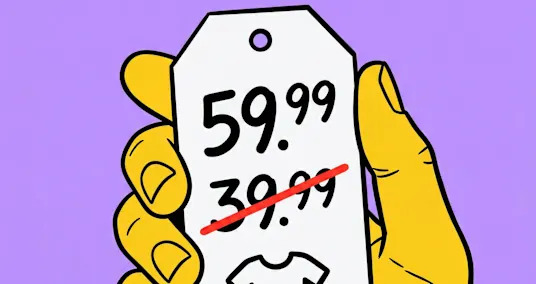

German inflation soared to a two-year high of 2.7% in March as a result of surging oil prices due to the war in Iran, the Federal Statistical Office said on Monday.
The preliminary figures showed inflation climbing from 1.9% in February to the highest level since the 2.9% recorded in January 2024.
The 2.7% inflation rate is above the 2% target set by both the German Bundesbank and the European Central Bank for price growth.
Energy prices were the main driver of the rising rate of inflation, accelerating by 7.2% compared to March 2025.
Services were 3.2% higher, while food prices rose 0.9%, the data showed.
Month on month, prices rose 1.1% in total, the Wiesbaden-based agency said.
"The rise in inflation in March is only the beginning," said Jörg Krämer, chief economist at Commerzbank. "Higher energy costs will eat their way through the supply chains in the coming months, unless the war ends quickly."

LATEST POSTS
- 1
 The Best Computer games for Multiplayer Fun
 - 2Jillian Michaels put me at the center of a body positivity debate. She's not entirely wrong about obesity.
- 3UN warns civil liberties under threat due to war in Middle East
- 4Manual for 6 Busssiness Class Flights
- 5Overlooked infertility care should be part of national health services, says WHO





- How a rare drug made from scientists' blood saves babies from botulism
- Sexual violence part of 'everyday life' in parts of Sudan, charity says
- How a Middle East War Becomes a Retail Price Hike
- Police break up illegal chicken slaughter in Germany
- Satellite observations offer insight into a tsunami's early stages
- Invigorating Spots To Go Kayaking All over The Planet
- Six Flags Opens the Tallest, Fastest and Longest Roller Coaster in the World
- Discovery of massive spider's web in Greece reveals unexpected behavior
- Radiate brilliantly: The 5 Precious stone Rings to Purchase in 2024